Contact our Discord live support; we are online 24/7.
Why Players Choose LTI Hangar
Fast ship delivery, real support, and a clear RSI gifting process — built for Star Citizen players who want a smoother buying experience.
Average 20–30 minute delivery
24/7 Discord customer support
A team formed by gamers with over ten years of experience.
Secure Shopping,Own stock, not third-party listings
Reliable After-Sale Support
Orders can be tracked in real time.
Frequently Asked Questions
How long does delivery usually take?
- Star Citizen ship,ccu,paints,items orders are usually delivered within 20–30 minutes. In rare cases, delivery may take up to 12 hours due to order volume, RSI gifting limits, account status, or manual verification requirements.
- In most cases, we do not allow ship deliveries to exceed 12 hours unless there is an exceptional issue such as RSI system limitations, account restrictions, or required customer verification.
Is my ship order protected?
- Yes. Security and reliability are our top priorities. All ships sold by LTI Hangar come from our own inventory, with no external sellers or unknown third-party suppliers involved.
- Each ship order is handled with clear delivery records, allowing the delivery process to be reviewed and traced if support is ever needed. We also provide 6-month after-sale protection for eligible delivery-related issues.
- This level of own-stock control, traceable delivery, and after-sale protection is not commonly offered by many third-party marketplaces, which is why many customers choose LTI Hangar for safer Star Citizen ship purchases.
What is the 6-month after-sale protection?Why Other Marketplaces Cannot Offer This?
- In the extremely rare event that an issue occurs with an item during delivery or within up to 6 months after delivery has been completed, we will conduct an investigation. If it is determined that the issue was caused by our fault, we will provide either a replacement or a refund.
- To help us review the case accurately, you may be required to assist us by providing relevant evidence, such as RSI Hangar screenshots, order details, and RSI Hangar Log records.
- The RSI Hangar Log can help track the status and history of each ship, including whether the item was claimed, exchanged, melted, transferred, or otherwise changed after delivery. We will review the evidence you provide to determine the cause of the issue.
- This level of protection is not commonly offered by many third-party marketplaces because they often rely on external sellers or mixed inventory sources. At LTI Hangar, all ships come from our own inventory, and each order has clear delivery records, allowing us to provide safer and more reliable support.
Can I request a refund after claiming the ship,ccu,paints,items?
- Once the RSI gift has been claimed, the ship,ccu,paints,items becomes bound to the receiving RSI account. Due to the limitations of the Star Citizen gifting system, a claimed ship normally cannot be gifted again, returned, reversed, or re-delivered. For this reason, claimed items are normally not eligible for cancellation or refund.
- A correction, replacement, or refund may only be provided if we confirm that the issue was caused by our side, such as a wrong item being sent, an order delivery error, or another verified delivery issue caused by us.
- Before claiming the RSI gift, please make sure you are logged into the correct RSI account. Once the gift is claimed to the wrong account, it normally cannot be moved to another account.
What happens if the wrong ship,ccu,paints,items is delivered?
If we confirm that the wrong item was delivered due to our error, we will review the case and provide a correction, replacement, or refund where applicable. Please contact us with your order number, checkout email, and clear screenshots of your RSI Hangar.
Why are the names of the Star Citizen ships I received different?
Standalone CCU'ed is a complete ship or vehicle. It is not an upgrade! CCU'ed simply means that it was created by upgrading a smaller ship or vehicle to the one you are buying. Please also note that in the gift email, only the ship that was used as the base for upgrading will be named. Please don't worry, the actual ship you will see in your hangar will be the one you've ordered.
For example, this is how a CCU'ed Polaris looks like in hangar on RSI website.


HOW IT WORKS
Fast simple and secure, learn how it works!
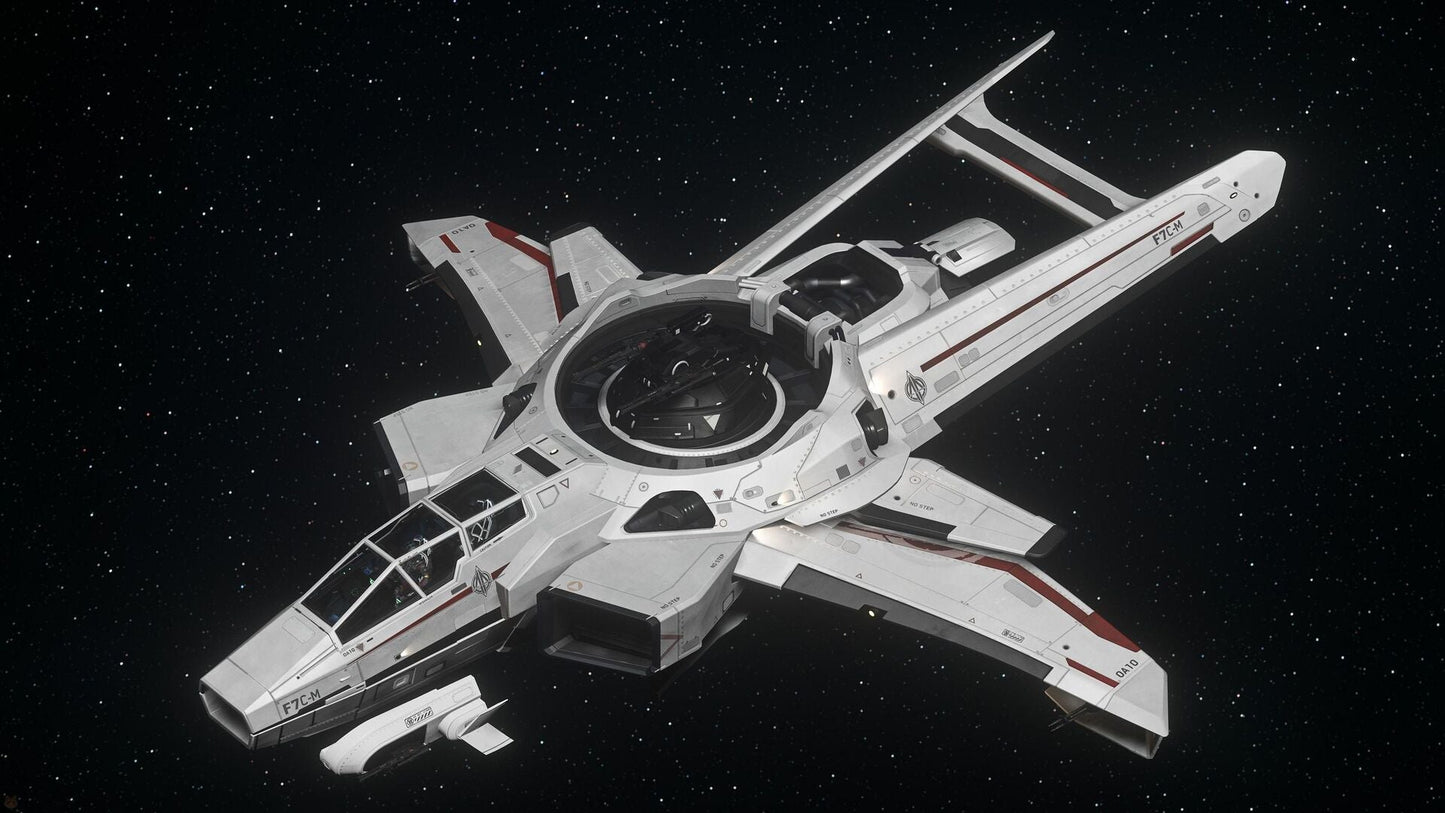
Anvil F7C-M Super Hornet Mk I Standalone Ship Gameplay Guide
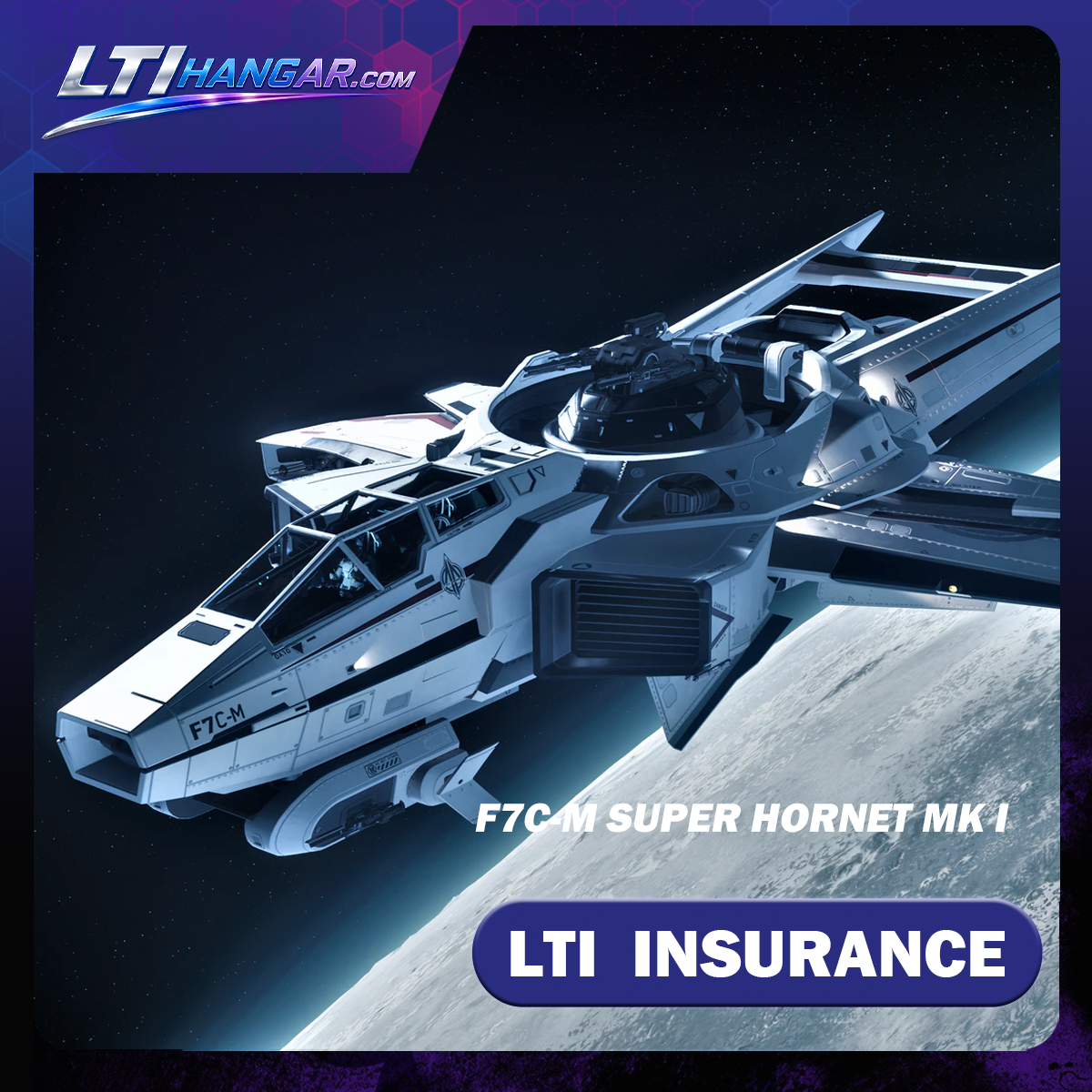
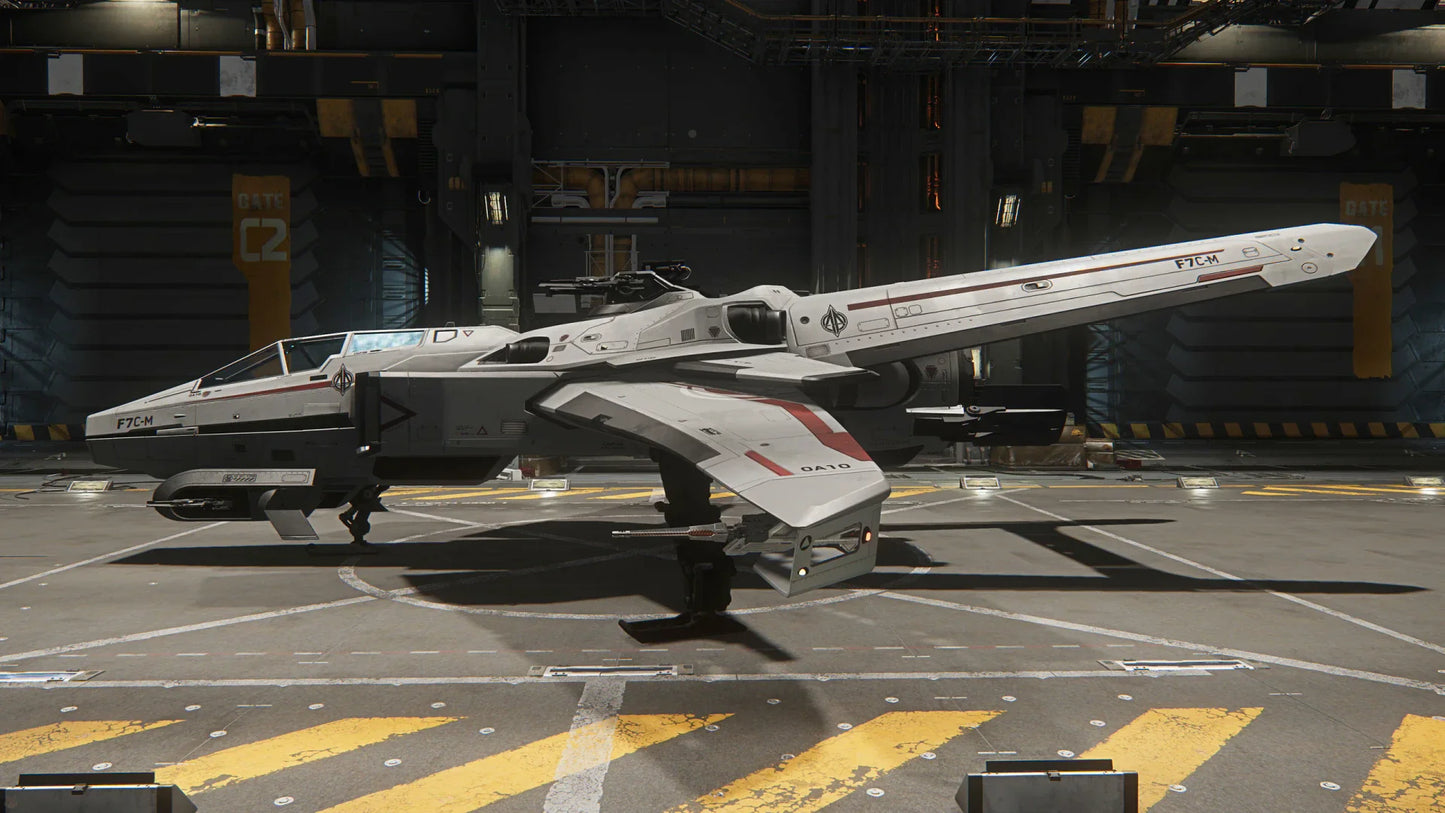
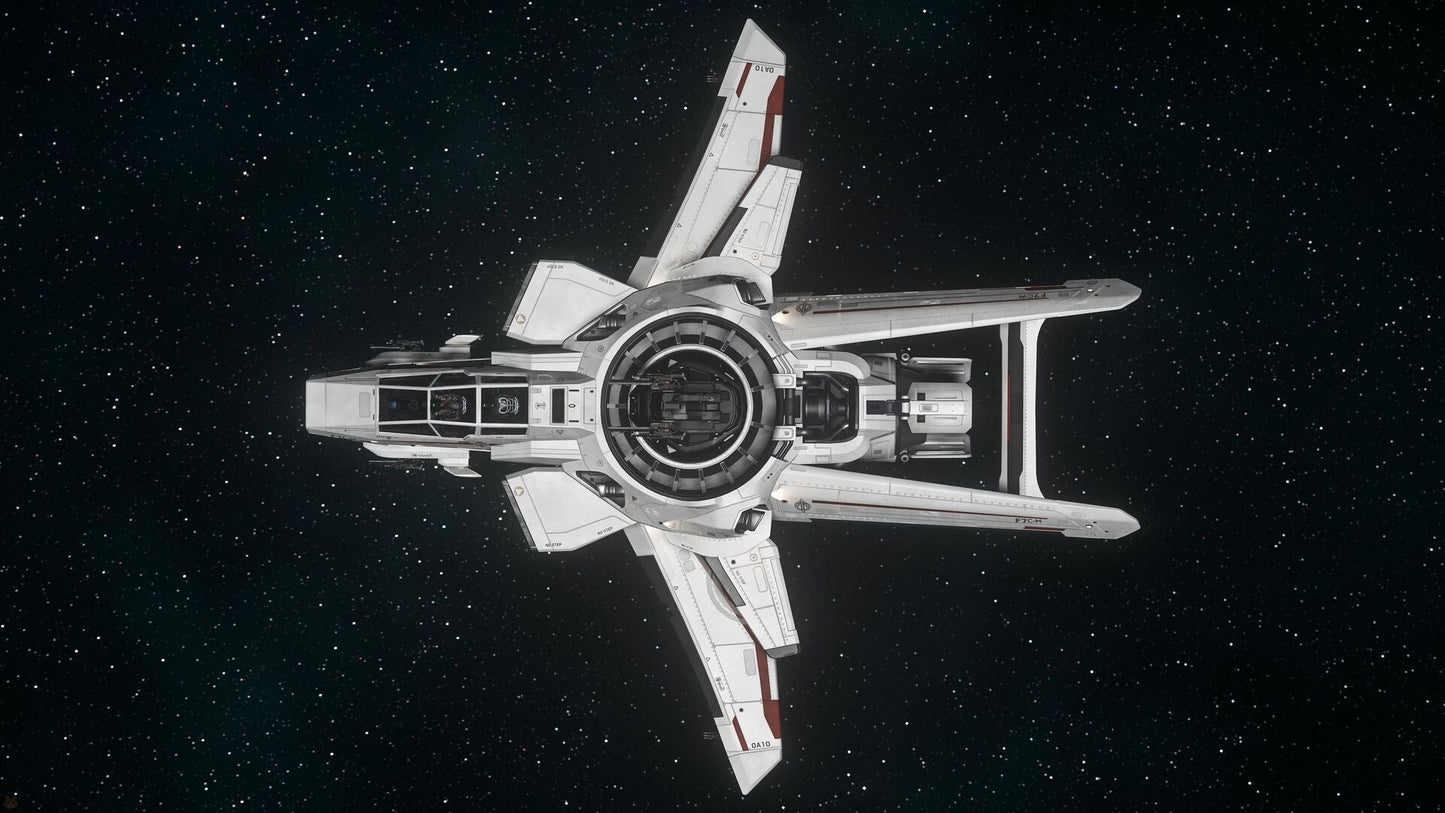
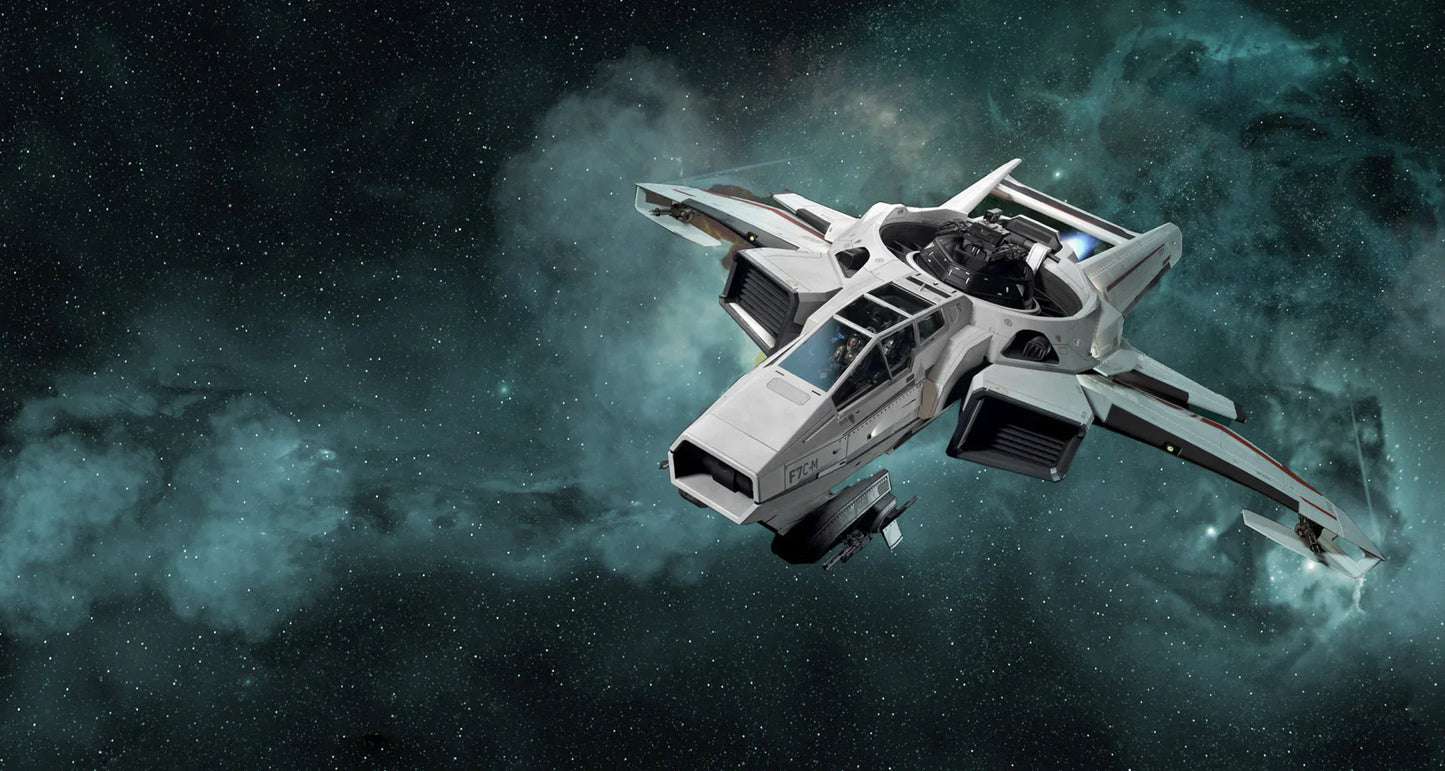
The Anvil F7C-M Super Hornet Mk I is a classic two-seat medium fighter built for Star Citizen players who want the original Super Hornet combat identity, pilot-and-co-pilot gameplay, a dedicated ball turret, and the collector appeal of the retired Hornet Mk I generation.
It is not a cargo ship, stealth variant, radar variant, military F7A, limited-edition Heartseeker, or newer Super Hornet Mk II. The F7C-M Super Hornet Mk I is best understood as the classic two-seat civilian Hornet: larger and more combat-focused than the standard F7C Mk I, equipped with a second seat and a military-style turret, but still intended for the civilian market.
RSI originally described the Super Hornet as a larger and more heavily equipped Hornet with advanced weapons, a turret, and a second seat. Its later technical overview positioned the F7C-M as the closest legally available civilian configuration to a military Hornet loadout, with near-military components and responsibilities divided between two crew members.
The safest product-page positioning is simple:
The F7C-M Super Hornet Mk I is the classic two-seat Hornet for players who want pilot-and-co-pilot fighter combat and Mk I collector value — not cargo utility, stealth, radar support, or the newer Mk II frame.
Build Your Anvil Fighter Fleet with the Super Hornet Mk I
The F7C-M Super Hornet Mk I is one of the more recognizable ships from the original Hornet lineup. It combines the compact character of a Hornet with a second seat and a more combat-focused configuration.
It is a natural choice for Hornet collectors, Anvil fans, two-player fighter teams, legacy-ship buyers, and pilots who prefer the older Mk I silhouette over the newer Mk II design.
If you are looking to acquire this classic Anvil medium fighter, you can explore our available options in the Star Citizen Ships and Vehicles Collection.
F7C-M Super Hornet Mk I Key Specifications
The following figures come from RSI’s published Super Hornet Mk I technical overview. Star Citizen ship dimensions, components, weapons, turret behavior, shields, armor, and flight performance can still change through development and balancing.
| Specification | F7C-M Super Hornet Mk I | Gameplay Meaning |
|---|---|---|
| Manufacturer | Anvil Aerospace | Classic human fighter manufacturer with UEE military heritage. |
| Role | Medium Fighter | Built for direct fighter combat rather than industry or support gameplay. |
| Generation | Hornet Mk I | Uses the older classic Hornet platform rather than the newer Mk II frame. |
| Status | Flight Ready / Legacy Mk I Hornet | Playable legacy Hornet, but the Mk I civilian line has moved into retired-generation context. |
| Crew | 1–2 / designed around two-seat use | Can be flown solo, but the second seat is one of the main reasons to choose the Super Hornet over a standard Hornet. |
| Cargo Capacity | 0 SCU | No cargo trading, hauling, or practical delivery role. |
| Length | 25.5 m | Larger than a basic single-seat Hornet configuration. |
| Width | 24 m | Compact enough to remain a true fighter rather than a gunship. |
| Height | 6.5 m | Standard fighter-scale landed profile. |
| SCM Speed Reference | 219 m/s | Published RSI reference; live handling remains balance-sensitive. |
| Combat Configuration | Two-seat Super Hornet turret identity | Main reason to choose it over a standard F7C Mk I, but exact turret behavior and weapons remain patch-sensitive. |
| Second Seat | Co-pilot / weapons-system support | Allows another player to share combat and logistical responsibilities where current systems support it. |
| Modularity | Reduced compared with the standard F7C | The military-style turret occupies space that other Hornets may use for specialist modules. |
| Availability Context | Retired Mk I civilian-market generation | Collector appeal comes from Mk I legacy, but buyers should always check the exact listing, insurance, and upgrade history. |
| Core Gameplay | Two-seat fighter combat, escort, bounty missions, Hornet collecting | Best for players who want the classic crewed Hornet experience. |
RSI’s Galactapedia notes that the F7C-M sacrifices some of the standard Hornet’s modular flexibility because its military-style turret returns to the center of the ship. It also describes Super Hornets as being produced in lower numbers than the standard civilian Hornet.
What Makes the F7C-M Super Hornet Mk I Valuable?
The Super Hornet Mk I is valuable because it combines three clear identities:
- The classic Hornet Mk I frame
- A second crew position
- A military-style turret and near-military civilian combat configuration
The standard F7C Hornet Mk I is the civilian baseline. The Ghost Mk I is the stealth specialist. The Tracker Mk I is the radar and pursuit specialist. The F7A Mk I carries the military identity. The Super Hornet Mk I is the two-seat combat variant.
The Super Hornet Mk I is not the most modern Hornet. It is the classic crewed Hornet that gives the Mk I family a clear two-player combat role.
Its value should not be explained only through raw damage numbers. A large part of the purchase decision comes from its second seat, older Hornet design, legacy status, and distinctive position within the original Hornet family.
Two-Seat Medium Fighter Gameplay Role
The Super Hornet Mk I’s main role is two-seat medium fighter combat. It remains a relatively compact fighter, but it gives a second player a meaningful place in the ship.
In practical gameplay, the Super Hornet Mk I fits several roles:
| Gameplay Use | Why the Super Hornet Mk I Fits |
|---|---|
| Two-seat fighter combat | A pilot and second crew member can divide movement, targeting, radar, and weapon responsibilities where current systems support it. |
| PvE bounty missions | The combat-focused Hornet platform works well for fighter and bounty gameplay. |
| Escort duty | Its fighter size and turret identity suit convoy and fleet-defense work. |
| Group patrols | A second player can help manage awareness and maintain combat pressure. |
| Hornet collection | The Mk I retirement context gives the ship additional legacy value. |
| Anvil fleet building | Fits naturally beside the F7A, Heartseeker, Hurricane, Gladiator, and other Anvil combat ships. |
The Super Hornet Mk I should be described as a classic two-seat medium fighter, not as a small multicrew gunship or general-purpose daily ship.
Classic Super Hornet Identity
The main reason to choose the Super Hornet Mk I is its identity.
RSI introduced it as a larger and more heavily equipped member of the civilian Hornet family, with a turret and a second seat. Its technical description emphasized the return of the ball turret, near-military equipment, and the ability to split logistical and combat duties between two crew members.
The Super Hornet Mk I is for players who want the original two-seat Hornet experience, not simply another single-seat fighter with additional weapons.
That distinction is important. A buyer who never wants another player aboard may not gain the full value of the Super Hornet configuration.
Mk I Legacy and Retirement Context
The F7C-M Super Hornet Mk I belongs to the original Hornet Mk I generation.
During Invictus Launch Week 2954, RSI announced the wind-down of the classic F7 Mk I civilian lineup as the Mk II became the newer Hornet direction. The event was presented as the final normal pledge opportunity for the Mk I range, with those ships also being removed from upcoming in-game dealerships. RSI also confirmed that Mk II versions of the Super Hornet, Ghost, and Tracker would follow.
This creates a clear buyer message:
The Super Hornet Mk I is a supported classic Hornet with legacy and collector value, not an abandoned or unusable ship.
The safe product-page position is:
- Do not describe it as a dead ship.
- Do not promise that it will always be rarer or stronger.
- Do not imply it is permanently impossible to acquire through every future method.
- Do explain that it belongs to the retired civilian Mk I lineup.
- Do explain that the newer Super Hornet Mk II now represents the current-generation platform.
This allows the ship to be marketed honestly as both a fighter and a legacy collectible.
Two-Seat Super Hornet Gameplay
The second seat is the defining difference between the Super Hornet Mk I and the standard F7C Hornet Mk I.
RSI’s original description explained that the additional seat allows logistical and combat responsibilities to be divided between two crew members. The original Hornet lineup announcement also described the second position as supporting radar operation.
The Super Hornet Mk I is most useful when the second seat is treated as part of the ship’s combat identity, not as an unused passenger seat.
A practical crew arrangement may look like this:
| Crew Role | Main Responsibility |
|---|---|
| Pilot | Controls flight, positioning, forward attacks, disengagement timing, and overall combat decisions. |
| Second crew member | Supports radar awareness, targeting, turret operation, and shared combat workload where current systems allow. |
The exact controls available to the second player may change as multicrew, radar, targeting, and turret systems continue to develop.
Weapons and Loadout Expectations
The Super Hornet Mk I is built around a more combat-focused configuration than the standard civilian F7C.
Its official identity includes a military-style ball turret, near-military components, more advanced weapons, and reduced modularity compared with the standard Hornet.
For product-page wording, keep the promise safe:
The Super Hornet Mk I should be marketed around its turret-equipped combat identity, but exact weapon sizes, factory equipment, mounts, ammunition, and live damage should always be checked against the current patch.
That avoids several common problems:
- Default weapons can change.
- Turret control behavior can change.
- Hornet mounts and compatible modules can be adjusted.
- Ballistic and energy balance can change.
- Armor and shield tuning can alter the ship’s practical durability.
- A useful loadout in one patch may not remain the preferred setup later.
The buyer should choose the ship because they want a classic two-seat Hornet, not because of one temporary damage calculation.
Solo Gameplay Expectations
The Super Hornet Mk I can be flown by one player, but it is not the most direct solo-only Hornet recommendation.
A solo pilot can still use the ship for PvE combat, bounty missions, escort work, and general fighter gameplay. However, part of the ship’s design value comes from the second seat and turret-equipped crew identity.
Solo Super Hornet Mk I is usable, but two-player Super Hornet Mk I is the main reason to choose it over a standard Hornet.
The ship makes less sense for a solo buyer when:
- The second seat will never be used.
- The pilot only wants maximum pilot-controlled damage.
- A smaller or newer single-seat Hornet provides the preferred handling.
- The buyer does not care about Mk I collector value.
- The buyer wants practical cargo or interior utility.
Players who mostly operate alone should also compare the F7C Hornet Mk I, F7A Hornet Mk I, F7C Mk II, F7A Mk II, F8C Lightning, Gladius, or another pilot-centered fighter.
Real Player Use: Where the Super Hornet Mk I Feels Good
The Super Hornet Mk I feels best when it is used as a fighter shared by two players rather than judged only as a solo stat platform.
A real pilot typically notices the value of the ship during target management and repeated combat passes. The pilot can concentrate on movement, positioning, and keeping the target within a favorable engagement window, while the second player helps maintain awareness or weapon pressure.
The Super Hornet Mk I feels rewarding when the crew works as one fighter team; it feels less special when the second seat remains empty for every mission.
It is particularly suitable for:
- Two friends who regularly play together
- Escorting slower ships
- PvE bounty missions
- Small group patrols
- Hornet-themed fleets
- Players who prefer compact multicrew gameplay
- Collectors who want the original Super Hornet design
Its advantage becomes less noticeable when the pilot enters every mission alone and compares the ship only through maneuverability or pilot-controlled damage.
A practical Super Hornet Mk I session also includes moments where its advantage feels less important. If the pilot flies alone every time, ignores the second seat, or compares the ship only by pilot-controlled damage, the Super Hornet can feel less efficient than a cleaner single-seat fighter. The ship feels best when the second player helps with awareness, turret pressure, targeting, or shared combat workload. In real use, the Super Hornet rewards coordinated two-player fighter gameplay more than solo pilots who only want the most direct damage platform.
Cargo and Utility Expectations
The F7C-M Super Hornet Mk I has 0 SCU cargo capacity in RSI’s published technical overview. It should not be described as a cargo runner, trading ship, delivery ship, or practical daily utility platform.
The Super Hornet Mk I is a fighter only. It is not for hauling, box delivery, mining, salvage, medical support, vehicle transport, or trading.
It also does not provide the kind of interior associated with larger heavy fighters or daily-use ships.
Its value comes from:
- Fighter combat
- Two-seat gameplay
- Turret identity
- Hornet history
- Mk I collector appeal
Players who need cargo, a bed, walkable interior space, vehicle transport, or long-duration living facilities should choose a different ship.
Direct Vehicle Comparisons
Super Hornet Mk I vs F7C Hornet Mk I & Heartseeker Mk I
Comparing same-generation classic Hornet hulls highlights the structural transition between single-seat base setups and two-seat turret frames.
| Ship | Best For | Main Difference |
|---|---|---|
| F7C-M Super Hornet Mk I | Classic two-seat Hornet combat | Adds the second seat, ball turret, and near-military civilian configuration. |
| F7C Hornet Mk I | Simpler solo Hornet gameplay | Cleaner civilian baseline with greater emphasis on one-pilot use and modular flexibility. |
| Heartseeker Mk I | Limited-edition collector combat | Adds Heartseeker commemorative styling, special loadout identity, and rarity appeal. |
Choose the F7C Hornet Mk I if you want the classic solo civilian Hornet. Choose the standard Super Hornet Mk I if you want the classic two-seat Hornet. Choose the Heartseeker Mk I if you want the special-edition collector version.
Super Hornet Mk I vs Super Hornet Mk II
This is the most important comparison for current buyers between legacy classic models and modernized airframes.
| Ship | Best For | Main Difference |
|---|---|---|
| F7C-M Super Hornet Mk I | Classic Hornet collector value | Older Mk I silhouette, legacy status, and original Super Hornet identity. |
| Super Hornet Mk II | Newer two-seat Hornet gameplay | Updated Mk II chassis and current-generation Hornet design direction. |
Choose the Super Hornet Mk I for classic two-seat Hornet history. Choose the Super Hornet Mk II for the newer two-seat Hornet platform.
Super Hornet Mk I vs F7A Hornet Mk I & Specialist Hornets
| Variant | Best For | Main Difference |
|---|---|---|
| F7C-M Super Hornet Mk I | Two-seat combat | Adds a second seat, ball turret, and crew-focused combat identity. |
| F7A Hornet Mk I | Military combat | Military lineage, single-seat combat identity, and UEE Navy role. |
| F7C-S Ghost Mk I | Stealth operations | Built around lower-signature Hornet gameplay. |
| F7C-R Tracker Mk I | Radar and pursuit | Built around sensors and battlefield awareness. |
Choose Super Hornet for two-seat combat, Ghost for stealth, Tracker for radar, F7C for the civilian baseline, and F7A for military single-seat identity.
Super Hornet Mk I vs Anvil Hurricane, RSI Scorpius & Vanguard Warden
Two-seat fighter designs maximize gunner coordination but shift their tactical purpose across different size classes.
| Ship | Best For | Main Difference |
|---|---|---|
| F7C-M Super Hornet Mk I | Balanced classic two-seat fighter combat | Compact medium-fighter format with classic Anvil Mk I history. |
| Anvil Hurricane | Two-player turret damage | Glass cannon setup built heavily around high-impact gunner turret DPS. |
| RSI Scorpius | Heavier two-seat turret combat | Larger heavy-fighter identity with broad rail-mounted remote turret coverage. |
| Aegis Vanguard Warden | Long-range heavy-fighter operations | Deep-space heavy structure; far more durable with an interior cabin for travel. |
Choose the Super Hornet Mk I if you want a compact classic Anvil fighter. Choose the Hurricane if you want specialized two-player damage. Choose the Scorpius if you want a larger heavy fighter with stronger turret coverage. Choose the Vanguard Warden for long-range heavy-fighter endurance.
Super Hornet Mk I vs F8C Lightning & Light Fighters
| Ship | Best For | Main Difference |
|---|---|---|
| F7C-M Super Hornet Mk I | Classic two-seat Hornet gameplay | Co-pilot support, turret layout, and legacy Mk I presentation. |
| F8C Lightning | High-end solo heavy-fighter combat | Newer, heavier, and built around one pilot controlling massive forward firepower. |
| Aegis Gladius | Light-fighter dogfighting | Pure single-seat agility and standard light fighter maneuvers. |
| Anvil Arrow | Agile light-fighter combat | Ultra-compact single-seat agility; gives up armor for turning acceleration. |
Choose the Super Hornet Mk I if you want two-seat Hornet history. Choose the F8C if you want a newer high-end solo heavy fighter. Choose the Gladius or Arrow for agile single-seat dogfighting.
Combat Balance Expectations
The Super Hornet Mk I has a clear combat identity, but product pages should avoid promising that it will always outperform newer Hornets, heavy fighters, or current popular loadouts.
Its practical performance can depend on:
- Weapon tuning
- Turret behavior
- Pilot and crew coordination
- Shield balance
- Armor implementation
- Flight-model changes
- Ballistic ammunition balance
- Target choice
- Current Hornet component compatibility
- The availability of a second player
The Super Hornet Mk I has clear classic fighter appeal, but its live combat value depends on current balance, loadout choices, crew coordination, and whether the buyer values the Mk I platform.
This is especially important because the newer Super Hornet Mk II now exists and may receive more current-generation attention.
Explore F7C-M Super Hornet Mk I Upgrade Paths
If you prefer to build toward the F7C-M Super Hornet Mk I from an existing ship, you can view our Star Citizen F7C-M Super Hornet Mk I CCU Upgrades and plan a more flexible Anvil fighter, Hornet, or collector upgrade path over time.
Buyers should check the exact product listing carefully because the Hornet Mk I civilian lineup was wound down after Invictus Launch Week 2954.
Before purchasing, confirm whether the listing is:
- A standalone ship
- An original pledge
- A CCU-upgraded ship
- A store-credit pledge
- A Warbond pledge
- A limited insurance version
- An LTI version
- Part of a larger package
- A standard Super Hornet or Heartseeker edition
The in-game ship role may be similar, but insurance, melt value, upgrade history, gifting eligibility, and collector value can differ.
Super Hornet Mk I vs Other Star Citizen Fighters
| Ship Fleet Option | Primary Core Role | Compared with F7C-M Super Hornet Mk I |
|---|---|---|
| F7C-M Super Hornet Mk I | Classic Two-Seat Medium Fighter | Good for original Super Hornet gameplay and Mk I collector value. |
| F7C Hornet Mk I | Civilian Medium Fighter | Better for a simpler solo Hornet experience. |
| Heartseeker Mk I | Limited-Edition Super Hornet | Similar base role with stronger special-edition collector appeal. |
| Super Hornet Mk II | Newer Two-Seat Hornet | Better for buyers who want the modernized platform. |
| F7A Hornet Mk I | Legacy Military Fighter | Better for military identity and solo fighter gameplay. |
| F7A Hornet Mk II | Newer Military Hornet | Better for modern military Hornet identity. |
| Ghost Mk I | Stealth Hornet | Better when lower-signature gameplay is the priority. |
| Tracker Mk I | Radar / Pursuit Hornet | Better when sensor utility is the priority. |
| Anvil Hurricane | Two-Seat Damage Fighter | More specialized around gunner damage. |
| RSI Scorpius | Two-Seat Heavy Fighter | Larger, heavier, and more turret-focused. |
| Vanguard Warden | Long-Range Heavy Fighter | Better for endurance and interior utility. |
| F8C Lightning | High-End Solo Heavy Fighter | Better for newer high-end single-seat combat. |
| Gladius | Light Fighter | Better for straightforward solo dogfighting. |
| Arrow | Agile Light Fighter | Better for compact agility-focused Anvil combat. |
F7C-M Super Hornet Mk I vs F7C Hornet Mk I
The F7C Hornet Mk I is better for players who want a simpler solo civilian Hornet. The Super Hornet Mk I is better for players who want the classic two-seat Hornet with a ball turret and co-pilot role. Choose the F7C Mk I for the baseline solo Hornet. Choose the Super Hornet Mk I for the crewed classic Hornet.
F7C-M Super Hornet Mk I vs Heartseeker Mk I
The Heartseeker Mk I is better for players who want the limited-edition Super Hornet presentation and collector identity. The standard Super Hornet Mk I is better for buyers who only need the classic two-seat Hornet role without specifically paying for Heartseeker styling. Choose the standard Super Hornet for the base two-seat experience. Choose the Heartseeker for special-edition collector appeal.
F7C-M Super Hornet Mk I vs Super Hornet Mk II
The Super Hornet Mk II is better for players who want the newer two-seat Hornet platform and current-generation design direction. The Super Hornet Mk I is better for players who want the older Mk I silhouette, legacy context, and original Super Hornet identity. Choose the Mk II for the newer platform. Choose the Mk I for classic Hornet history.
F7C-M Super Hornet Mk I vs Hurricane
The Hurricane is better for players who want a more specialized two-player damage fighter with a highly important gunner role. The Super Hornet Mk I is better for players who want a more conventional classic Hornet with two-seat gameplay and Mk I collector context. Choose the Hurricane for gunner-driven damage. Choose the Super Hornet Mk I for compact legacy Hornet gameplay.
F7C-M Super Hornet Mk I vs Scorpius
The Scorpius is better for players who want a larger two-seat heavy fighter with broader turret coverage and a more dramatic turret platform. The Super Hornet Mk I is better for players who want a smaller Anvil fighter with classic Hornet history. Choose the Scorpius for larger heavy-fighter turret gameplay. Choose the Super Hornet Mk I for compact classic two-seat Hornet identity.
F7C-M Super Hornet Mk I Strengths and Limitations
| Strategic Strengths | Operational Limitations |
|---|---|
| Classic two-seat Super Hornet identity | Older Mk I platform rather than the newer Mk II frame. |
| Second seat supports shared combat responsibilities | Less attractive if the buyer never flies with another player. |
| Military-style ball turret and near-military civilian positioning | Exact turret and weapon behavior can change by patch. |
| Compact medium-fighter format | Less durable and shorter-range than larger heavy fighters. |
| Clear Hornet and Anvil collector appeal | Collector value does not guarantee superior combat performance. |
| Mk I retirement context adds legacy value | No longer part of the normal civilian Mk I sales cycle. |
| Can still be operated solo | Solo use may leave part of its design value unused. |
| Good fit for PvE combat and escort work | No cargo, bed, vehicle transport, or practical daily utility. |
| More crew-oriented than the standard F7C Mk I | Less modular than the standard Hornet because of the turret configuration. |
| Distinct from Ghost and Tracker specialist variants | No stealth or enhanced radar role. |
| Smaller and simpler than Scorpius or Vanguard | Less fire coverage, range, and interior space than larger alternatives. |
| Supported classic ship rather than abandoned content | Newer Hornet variants may receive more current-generation focus. |
Who Should Buy the F7C-M Super Hornet Mk I?
The F7C-M Super Hornet Mk I is best for players who want the original two-seat Hornet experience.
It is especially suitable for:
- Hornet collectors
- Anvil Aerospace fans
- Players who prefer the older Mk I design
- Pilot-and-co-pilot teams
- Couples or friends who regularly fly together
- PvE bounty players
- Escort and patrol pilots
- Legacy-ship collectors
- Players building a complete Hornet fleet
- Buyers who want the standard Super Hornet rather than the Heartseeker
It is also a good fleet addition for players who already own practical ships. Cargo ships can handle trading, daily ships can handle utility, and larger vessels can handle long travel. The Super Hornet Mk I can then remain a dedicated combat and collection ship.
It may not be the right choice for:
- Buyers seeking one ship for every activity
- Players who always fly alone
- Players who want the newest Hornet generation
- Dedicated cargo or trading players
- Pilots who want stealth or radar specialization
- Buyers who need a bed or walkable interior
- Players who want long-range heavy-fighter endurance
- Buyers who care only about the current combat meta
Players who want the newest platform should compare the Super Hornet Mk II. Players who want special-edition collector value should compare the Heartseeker Mk I. Players who want solo military Hornet gameplay should compare the F7A. Players who want stealth should compare the Ghost. Players who want radar should compare the Tracker.
For buyers who specifically want the classic two-seat Hornet, the F7C-M Super Hornet Mk I remains a clear legacy fighter choice in Star Citizen.
F7C-M Super Hornet Mk I FAQ
Is the F7C-M Super Hornet Mk I worth buying in Star Citizen?
Yes, if you want the classic two-seat Hornet, Mk I collector value, and a combat fighter that can be shared with another player. It is not ideal if you only want the newest Hornet frame, cargo utility, stealth, radar, or a simpler solo fighter.
Is the F7C-M Super Hornet Mk I Flight Ready?
Yes. RSI’s published material describes the Super Hornet Mk I as available for flight in Star Citizen, and the Mk I lineup remains part of the supported legacy Hornet family.
What is the main role of the Super Hornet Mk I?
The F7C-M Super Hornet Mk I is a two-seat medium fighter. It is designed for combat, pilot-and-co-pilot responsibility sharing, and turret-equipped Hornet gameplay.
How many crew does the Super Hornet Mk I need?
RSI’s technical overview lists a crew size of two. It can be operated by one player, but its main identity includes the second seat.
Does the Super Hornet Mk I have cargo?
No. RSI’s published technical overview lists 0 cargo capacity, so it should not be purchased for hauling or trading.
How big is the Super Hornet Mk I?
RSI’s published reference lists it at 25.5 meters long, 24 meters wide, and 6.5 meters high.
What is the published SCM speed of the Super Hornet Mk I?
RSI’s technical overview lists an SCM speed reference of 219 m/s. Live-game handling can change through balancing.
What makes the Super Hornet Mk I different from the standard F7C Hornet Mk I?
The Super Hornet adds a second seat, a military-style ball turret, near-military civilian equipment identity, and a stronger focus on crewed combat. It also gives up some of the standard Hornet’s modular flexibility.
Does the Super Hornet Mk I have a turret?
Yes. The ball turret is one of the defining parts of the Super Hornet configuration. Exact weapon mounts and turret behavior should be checked in the current game version.
Can the Super Hornet Mk I be flown solo?
Yes. A single player can operate the ship, but the second seat is part of the reason to choose it. A solo-only buyer may find a standard F7C, F7A, or another single-seat fighter more direct.
Should I buy the Super Hornet Mk I if I mostly fly solo?
You can fly the Super Hornet Mk I solo, but it is not the most direct solo-only Hornet recommendation. The ship makes more sense when the second seat and turret identity matter to the buyer. If you almost always fly alone and only want pilot-controlled combat, a standard F7C, F7A, Gladius, or another single-seat fighter may feel more efficient.
What does the second player do?
The second player may assist with radar, targeting, turret operation, and other shared combat responsibilities supported by the current game systems. RSI originally presented the second seat as a way to divide logistical and combat duties.
Is the Super Hornet Mk I still supported?
The Hornet Mk I range moved into a legacy and retired civilian-market position as the Mk II line took over. It should not be described as an abandoned ship.
Is the Super Hornet Mk I rare?
It has stronger collector context now because the normal civilian Mk I lineup was wound down after Invictus Launch Week 2954. Actual rarity and resale availability depend on existing pledges and future distribution decisions.
Is the Super Hornet Mk I the same as the Heartseeker Mk I?
No. The Heartseeker Mk I is a limited-edition version based on the Super Hornet frame, with special styling, component identity, and Behring laser-cannon marketing.
Is the Heartseeker Mk I better than the standard Super Hornet Mk I?
The Heartseeker is better when special-edition collector value is the priority. The standard Super Hornet is better when the buyer only wants the original two-seat Hornet role without paying specifically for Heartseeker identity.
Is the Super Hornet Mk I better than the Super Hornet Mk II?
It depends on the buyer. The Mk I is better for classic design, legacy ownership, and collector value. The Mk II is better for buyers who want the newer Hornet platform and current-generation direction.
Super Hornet Mk I or Super Hornet Mk II: which should I choose?
Choose the Super Hornet Mk I when the older design, Mk I history, and collector appeal are important. Choose the Super Hornet Mk II when you want the newer two-seat Hornet platform.
Is the Super Hornet Mk I better than the F7A Hornet Mk I?
The Super Hornet is better when you want two seats and crewed civilian Hornet combat. The F7A Mk I is better when you want single-seat military Hornet identity.
Is the Super Hornet Mk I better than the Ghost Mk I?
The Super Hornet is better for two-seat direct combat. The Ghost is better when the buyer specifically wants lower-signature stealth gameplay.
Is the Super Hornet Mk I better than the Tracker Mk I?
The Super Hornet is better for two-seat combat. The Tracker is better for radar, pursuit, scanning, and information-focused Hornet gameplay.
Is the Super Hornet Mk I better than the Hurricane?
The Super Hornet is the more conventional classic Hornet. The Hurricane is more specialized around high two-player turret damage and has a stronger glass-cannon identity.
Is the Super Hornet Mk I better than the Scorpius?
The Super Hornet is better if you want a compact classic Anvil fighter. The Scorpius is better if you want a larger heavy fighter with a rail-mounted turret and broader two-player fire coverage.
Should I choose the Super Hornet Mk I, Hurricane, or Scorpius?
Choose the Super Hornet Mk I if you want a compact classic two-seat Hornet with Mk I collector appeal. Choose the Hurricane if you want a more specialized two-player turret damage fighter. Choose the Scorpius if you want a larger two-seat heavy fighter with broader turret coverage. The Super Hornet is the better choice for Hornet history and compact crewed fighter gameplay, while the Hurricane and Scorpius are more focused on gunner-driven damage.
Is the Super Hornet Mk I good for PvE?
Yes. It can be used for bounty missions, combat beacons, escort work, patrols, and general fighter gameplay. Performance depends on current loadout balance and how effectively the pilot and second crew member cooperate.
Is the Super Hornet Mk I good for PvP?
It can be used in PvP, but it should not be sold as a guaranteed meta fighter. Its value depends on current Hornet tuning, turret behavior, loadout, pilot skill, crew coordination, and target selection.
Is the Super Hornet Mk I beginner-friendly?
It is relatively straightforward as a fighter, but beginners who always play alone may get more value from a simpler single-seat ship. The Super Hornet becomes easier to justify when the buyer has a regular second player.
Does the Super Hornet Mk I have an interior or bed?
No meaningful living interior or bed should be expected. It is a cockpit fighter rather than a long-duration ship.
Can the Super Hornet Mk I be used as a daily ship?
It can handle combat-focused daily play, but it is not a practical all-purpose daily ship. It has no cargo capacity, living space, vehicle storage, medical facility, or industry equipment.
Will the Super Hornet Mk I specifications change?
Possibly. RSI states that vehicle specifications may change during design and balancing. Weapons, turret behavior, armor, shields, handling, emissions, and components should be treated as patch-sensitive.
Who should choose the Super Hornet Mk I instead of another Hornet?
Choose it when the second seat, original Super Hornet identity, classic Mk I design, and legacy collector value matter more than stealth, radar, cargo, military F7A identity, or the newer Mk II frame.
The F7C-M Super Hornet Mk I is not the newest Hornet, the strongest solo fighter, or the most practical daily ship. Its value comes from combining the original Hornet Mk I design with a second seat, a military-style turret, and a clear crewed combat role in the classic Hornet family.
For players who regularly fly with one friend, collect Anvil fighters, or specifically prefer the retired Mk I generation, the Super Hornet Mk I offers a distinct mix of combat use and legacy appeal.
Choose the Super Hornet Mk I because you want the classic two-seat Hornet — not because you expect an older fighter to replace every newer combat ship.